

THE OPERUM OPERATING SYSTEM
A six-pillar framework for building a disciplined plaintiff-side firm.
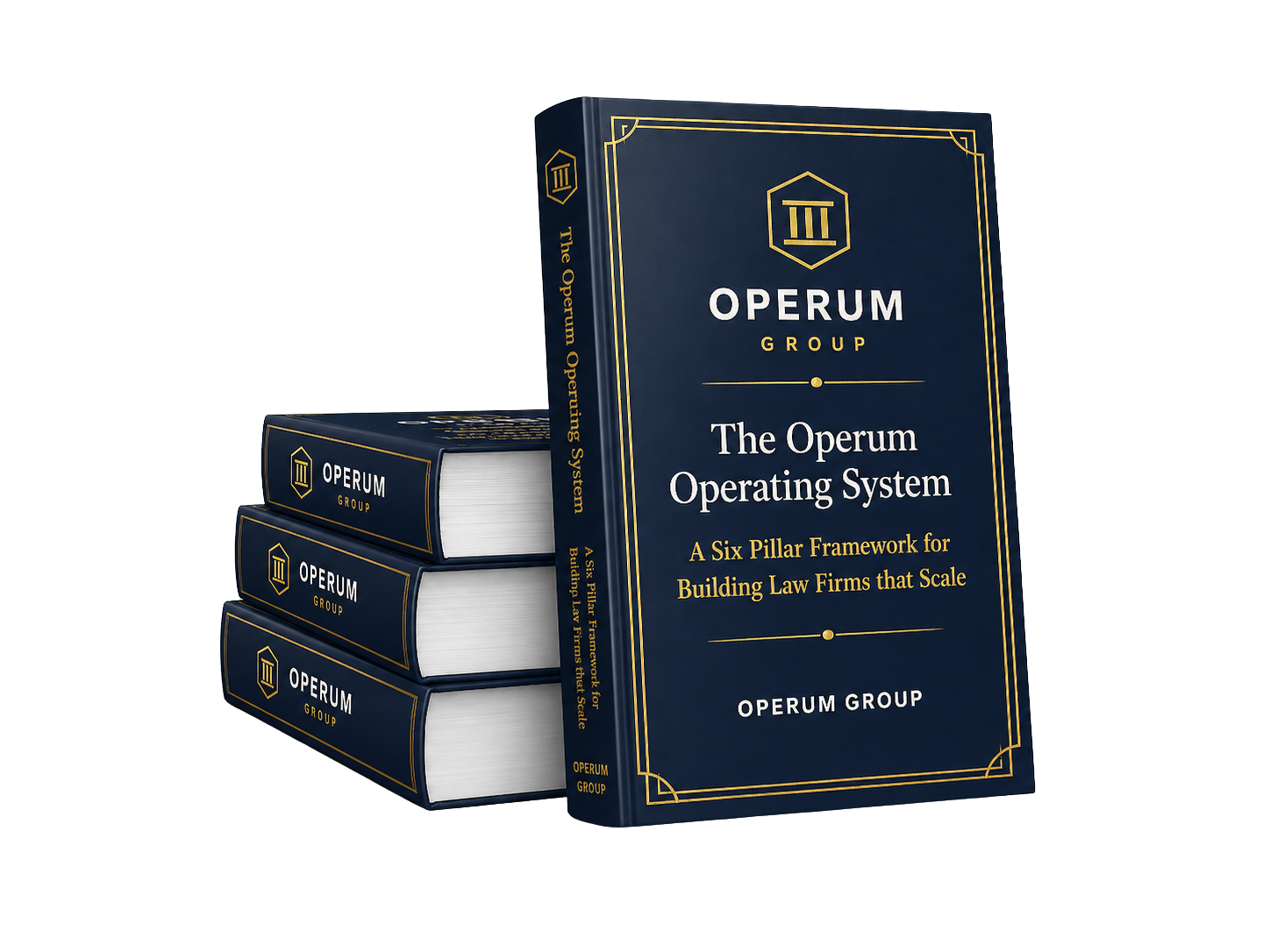
Not a methodology borrowed from another industry. It wasn’t built in a classroom — it was built inside firms, from startup practices to operations managing more than twenty thousand active matters at once.

THE SEQUENCE IS THE FRAMEWORK
The pillars are deliberately ordered.
Most firms try to fix performance issues by skipping ahead — installing dashboards before the data is reliable, hiring before the structure can hold the people. The sequence below is the order in which the work has to land.
THE SIX PILLARS IN DETAIL
Walk through the pillars in sequence.
-
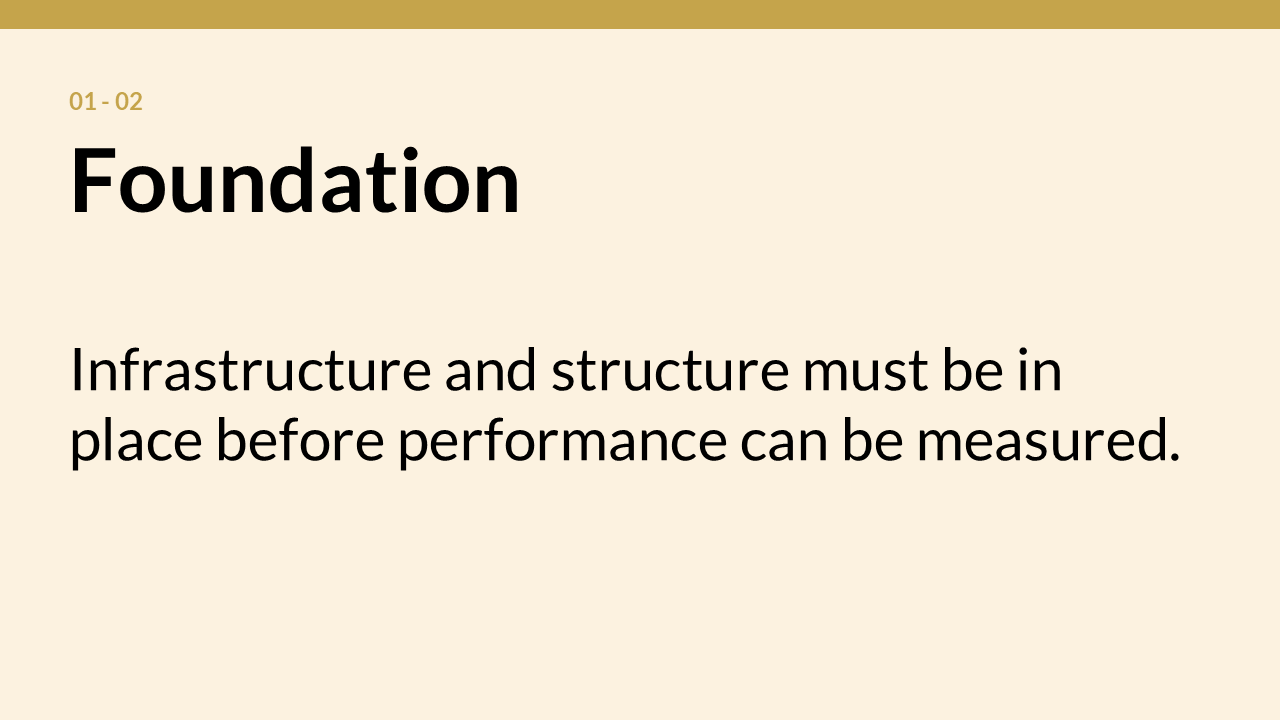
How Work Actually Flows Through the Business
Define how work enters, moves through, and exits your firm. Map the case lifecycle, break stages into tasks, and assign single-owner accountability before any technology is configured.
CORE DELIVERABLES:
Case flow audit
Task-level ownership map
Stage transition criteria
-
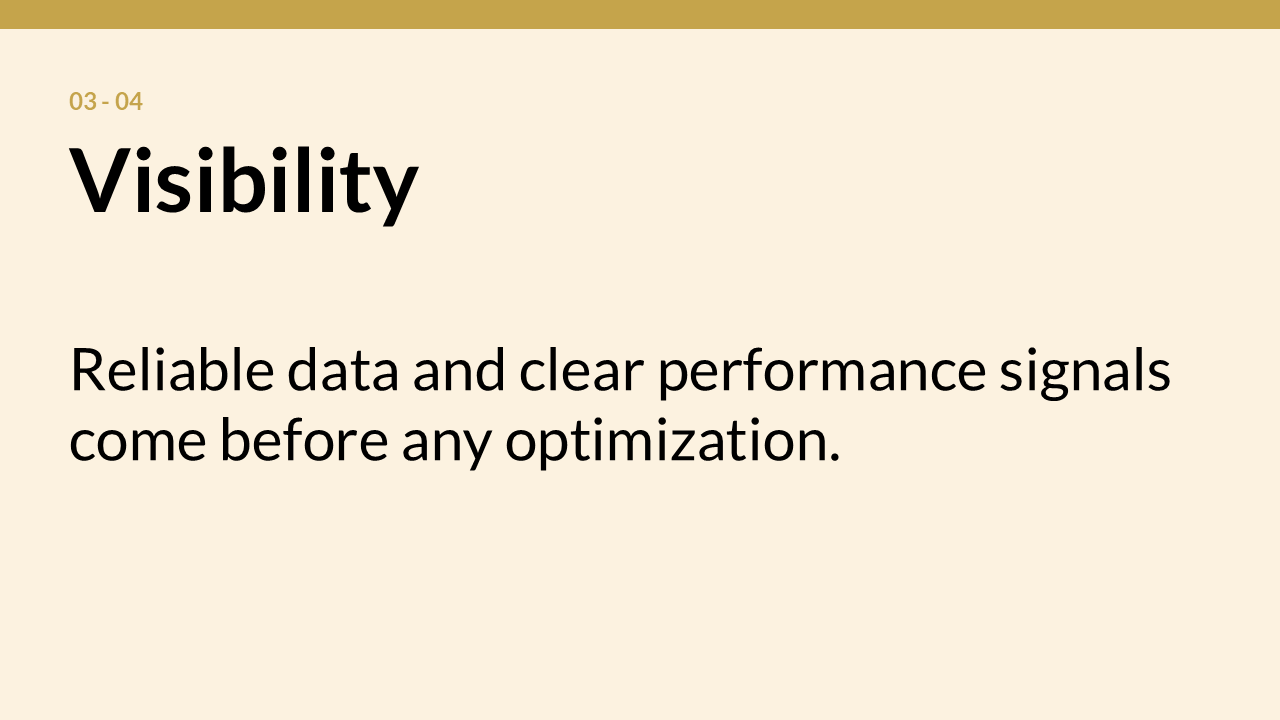
Measuring What Actually Drives Results
Move from outcome-tracking to system-level visibility. Define the revenue engine, identify where value is created and lost, and install a small set of metrics leadership can actually manage.
CORE DELIVERABLES:
Revenue engine map
Stage time targets
KPI framework with owners
-
Turning Process Into Consistent Action
Process defines how work should be done. A system ensures it is done that way, every time. Templates, checklists, automations, and enforcement points turn intention into consistent output.
CORE DELIVERABLES:
System of record setup
Workflow automations
Execution playbooks
-
Accountability, Ownership, and the Right Work in the Right Roles
Redesign roles around the work the system now demands. Align legal, operational, and administrative work to the right people, with clear expectations tied to the metrics that matter.
CORE DELIVERABLES:
Role charters
Responsibility reassignment
Performance expectations
-
Scaling Without Breaking the System
Growth is not a marketing problem. It is a capacity problem. Identify which case types your system can actually support, size operational load against demand, and scale deliberately.
CORE DELIVERABLES:
Capacity modeling
Case mix strategy
Scaling roadmap
-
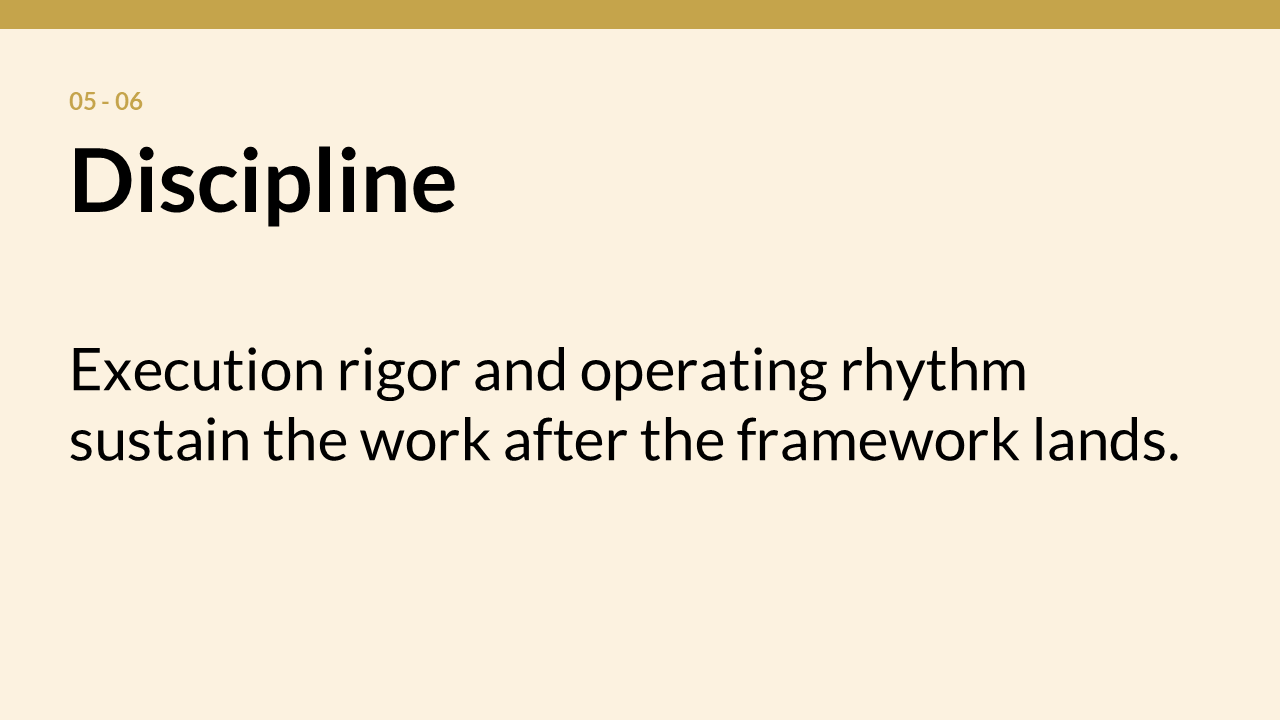
How the Business Stays Aligned Over Time
Systems degrade without reinforcement. A weekly, monthly, and quarterly cadence — with defined inputs, owners, and decisions — is what keeps everything installed from quietly unwinding.
CORE DELIVERABLES:
Meeting cadence design
Review rituals
Leadership scorecards
SEE HOW IT’S DELIVERED
The framework doesn’t change. What changes is how directly we’re involved.
Self-Serve — your team runs the install.
Guided — we run it with you.
Fractional COO — we run it from inside the firm.